
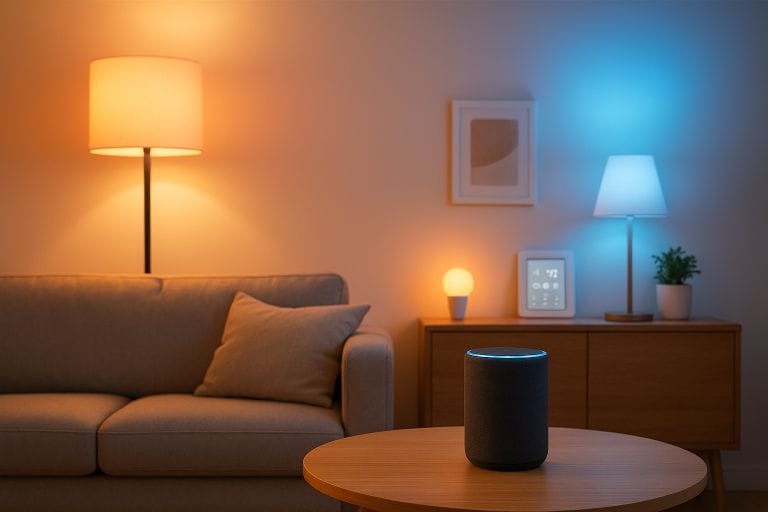
Smart Home Devices for First Time Homeowners: The Ultimate Guide to Modern Living
Disclosure: We may earn money from the companies mentioned in this post, but we only recommend brands that we truly love and trust.
Smart Home Devices for First Time Homeowners
Introduction to Smart Homes
Buying your first home is an exciting milestone, but it also comes with a long list of decisions and responsibilities. One of the smartest moves you can make as a new homeowner is investing in smart home devices. These gadgets don’t just add convenience—they can save you money, boost security, and make your new home feel truly modern.
What Makes a Home “Smart”?
A smart home is one that uses internet-connected devices to automate and control systems like lighting, heating, security, and entertainment. These devices can often be managed with your smartphone, tablet, or even your voice, thanks to AI-powered assistants like Alexa, Google Assistant, and Siri.
Why First Time Homeowners Should Consider Smart Devices
For first time homeowners, smart devices can simplify daily life. Instead of fumbling for light switches or worrying about whether you locked the door, you can manage everything with a tap or voice command. Plus, these tools help you save energy and money—two things every new homeowner appreciates.
Benefits of Smart Home Devices
Convenience and Automation
Smart home devices allow you to automate repetitive tasks. Imagine your lights turning off automatically when you leave for work or your thermostat adjusting based on the weather. Convenience is at the core of the smart home revolution.
Energy Efficiency and Cost Savings
Many devices, such as smart thermostats and lighting, are designed to reduce energy consumption. This translates to lower monthly bills—a huge advantage when you’re juggling mortgage payments and household expenses.
Security and Peace of Mind
Smart locks, video doorbells, and security cameras give homeowners more control over their property. Whether you’re at work or on vacation, you can monitor and secure your home remotely.
Must-Have Smart Home Devices for First Time Homeowners
Smart Speakers and Voice Assistants

Smart speakers like Amazon Echo, Google Nest Hub, or Apple HomePod act as the brain of your smart home. They let you control other devices using voice commands, play music, set reminders, and even answer questions.
Smart Lighting Systems

From dimmable bulbs to color-changing lights, smart lighting lets you set moods, automate schedules, and reduce wasted energy. Brands like Philips Hue and LIFX are excellent starting points.
Smart Thermostats

Devices like the Nest Thermostat learn your schedule and preferences, adjusting heating and cooling for maximum comfort and efficiency.
Smart Security Cameras and Doorbells

A Ring Video Doorbell or similar product allows you to see and speak to visitors remotely. Indoor and outdoor cameras also help keep an eye on your property.
Smart Locks and Access Control
Forget hiding a spare key under the mat. With smart locks, you can unlock your door using a smartphone app, a keypad code, or even your fingerprint.
Smart Appliances for Everyday Use
From coffee makers that start brewing before you wake up to refrigerators that track groceries, smart appliances bring everyday convenience to a whole new level.
How to Set Up Your Smart Home Step-by-Step
Planning and Prioritizing Devices
When you’re starting out, it’s tempting to buy everything at once. Instead, focus on the essentials: lighting, a smart speaker, and security. These give you the best combination of convenience and safety without overwhelming your budget.
Installation Tips for Beginners
Most smart home devices are designed with beginners in mind. Many come with easy app-based setup and step-by-step instructions. For example, smart bulbs simply screw into existing sockets and connect via Wi-Fi or Bluetooth. Smart thermostats may require some wiring knowledge, but brands like Google Nest Thermostat offer straightforward guides and videos.
Troubleshooting Common Issues
If a device doesn’t connect, check your Wi-Fi signal strength. Many smart gadgets work best on a 2.4 GHz network. Restarting the router or resetting the device usually resolves connectivity problems.
Safety and Privacy Concerns
While smart devices make life easier, they also bring new responsibilities.
Protecting Your Wi-Fi Network
Your Wi-Fi is the backbone of your smart home. Use a strong, unique password and enable WPA3 encryption if available. Consider setting up a separate guest network just for smart devices.
Managing Data and Permissions
Smart devices often collect usage data. Review privacy settings in the app and disable unnecessary data sharing. For example, Amazon Alexa lets you delete voice recordings regularly.
Avoiding Common Security Mistakes
Don’t stick with factory-set usernames and passwords. Update your devices and apps regularly to patch potential vulnerabilities.
Real-Life Examples of Smart Home Devices for First Time Homeowners
Small Apartments
In a one-bedroom apartment, a smart speaker, a few smart bulbs, and a video doorbell can transform daily living. Products like the Echo Dot (5th Gen) and Philips Hue Starter Kit are compact and affordable.
Single-Family Homes
Larger homes benefit from devices that cover more ground. A Ring Video Doorbell Pro 2, paired with Eufy Security Cameras, can provide whole-house monitoring. Add a Nest Learning Thermostat to keep heating and cooling efficient.
Townhouses and Condos
These spaces often have shared walls and smaller entryways. A smart lock like the August Wi-Fi Smart Lock combined with motion-sensing smart lights such as Wyze Bulbs enhances both convenience and security.


FAQs About Smart Home Devices for First Time Homeowners
-
What’s the easiest smart device to start with?
Smart speakers or smart bulbs are the easiest entry points since they require minimal setup.
-
Do I need a smart hub to get started?
Not necessarily. Many devices work independently with Wi-Fi. However, if you plan to expand, a hub like Samsung SmartThings can unify devices.
-
Are smart home devices expensive?
Prices vary, but starter devices like smart plugs and bulbs cost less than $30. More advanced items like thermostats or locks range from $100–$250.
-
Will smart devices increase my electricity bill?
On the contrary, devices like smart thermostats and lighting are designed to reduce energy usage, often lowering bills.
-
Are smart home devices secure?
Yes—if you set strong passwords, keep your software updated, and follow basic cybersecurity practices.
-
Can I install these devices myself?
Most devices are DIY-friendly. Complex systems, like wired security cameras, may require professional help.
Conclusion: Building Your Dream Smart Home
Smart Home Devices for First Time Homeowners are more than just trendy gadgets—they’re practical tools that make life safer, more affordable, and more enjoyable. Whether you start small with a smart speaker and bulbs or go bigger with security systems and appliances, the key is to choose devices that fit your lifestyle and budget.
Investing in smart home technology now not only adds comfort but also increases your home’s value in the long run. Take it step by step, prioritize security, and soon you’ll wonder how you ever lived without your smart home.
If you enjoyed this guide, check out our posts on Terrace And Outdoors Ideas and Living Room Upgrades for First Time Homeowners for more inspiration.

